Vern Tessio
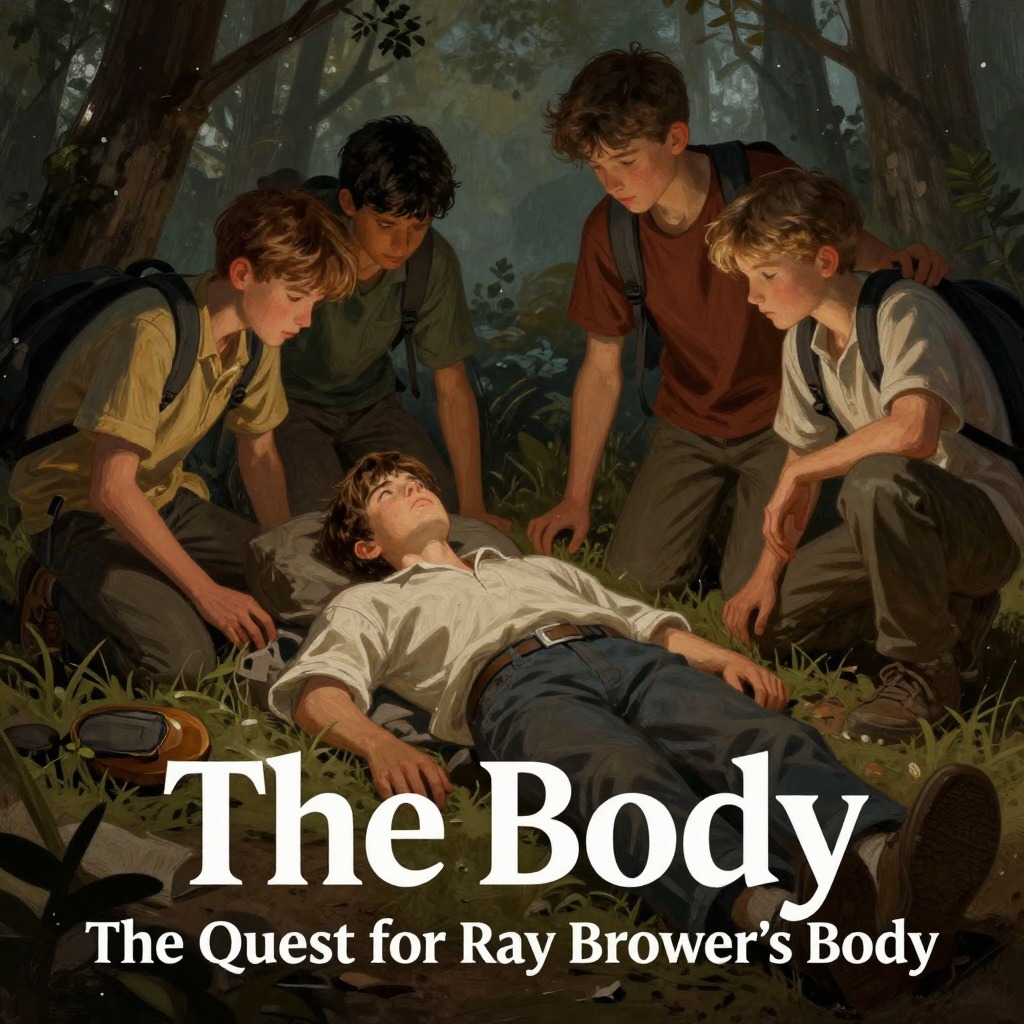
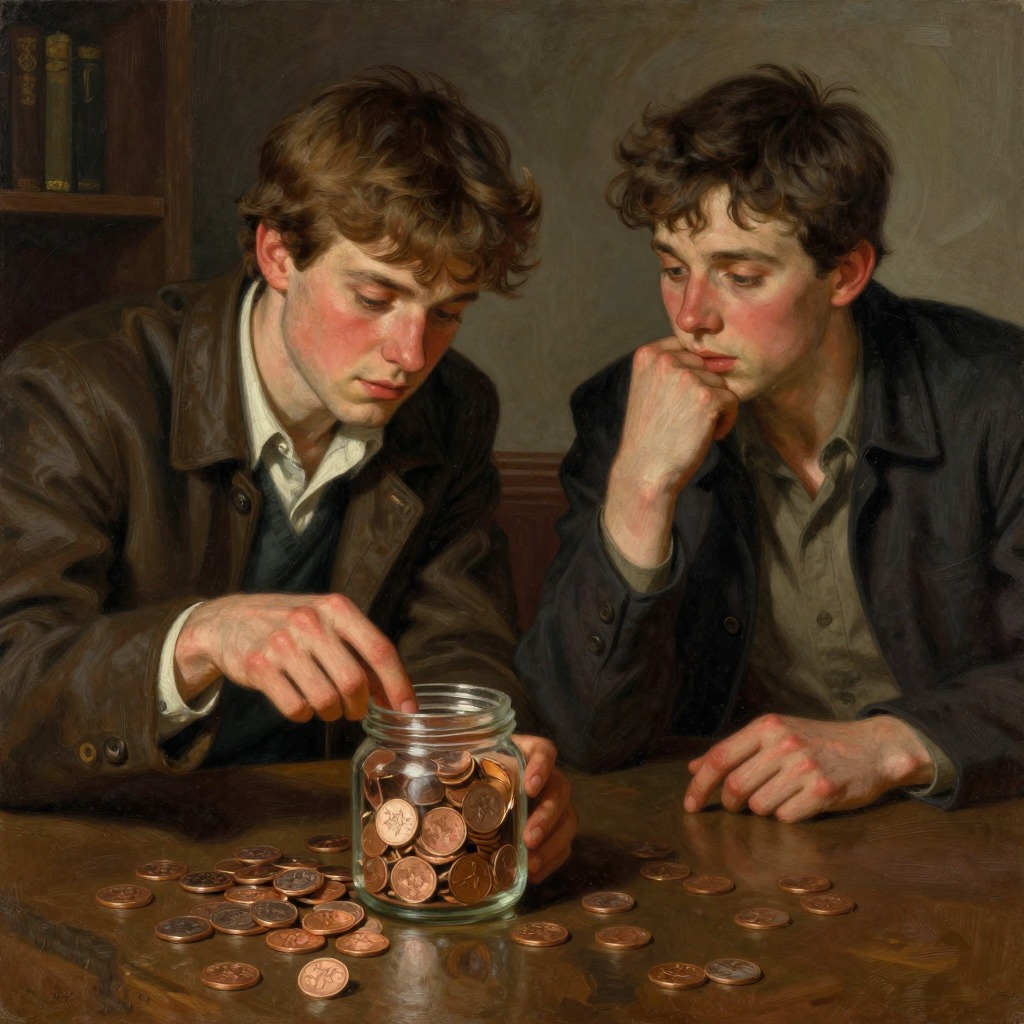
Vern Tessio is a twelve-year-old boy from Castle Rock, Maine, and a regular member of the gang that gathers in a treehouse over a vacant lot. He is the one who brings the news that sets the entire journey in motion: he has overheard his older brother Billy and Billy's friend Charlie Hogan talking about the body of a missing boy, Ray Brower, who was hit by a train near the Back Harlow Road. Vern's discovery comes not from any heroic act but from a long-standing, almost pathetic obsession—he was under the Tessio front porch, digging for a quart jar of pennies he had buried four years earlier when he was eight.
Identity and Background
Vern is the younger brother of Billy Tessio, a teenager who runs with the town's juvenile delinquents, including Ace Merrill and Eyeball Chambers. Vern is acutely afraid of Billy, who bullies him relentlessly. His family is poor; his father works in the mill and drives a 1952 DeSoto. Vern is not academically gifted—Gordon Lachance notes that he is "never going to be spending any of his spare time on College Bowl" and that he is still in the fifth grade at age twelve. His nickname among the friends is "Penny Tessio," a mocking reference to his endless, fruitless search for the buried jar of pennies, the value of which has grown in his mind from three dollars to as much as ten dollars over the years. The other boys believe Billy dug up the pennies long ago, but Vern refuses to accept this, and he continues to dig whenever the spirit moves him and Billy is not around.
Life and Plot Trajectory
On the Friday before Labor Day weekend, Vern runs two miles from his house to the treehouse, sweating and out of breath, to tell Chris Chambers, Teddy Duchamp, and Gordon Lachance what he has heard. He is excited and squirming, eager to propose that they camp out that night and go find the body. When the others agree, Vern helps with the planning, setting up a tent in his back field with two turned-on flashlights to make it look as though they are there after dark. Throughout the journey, Vern is the most openly fearful. He is terrified crossing the railroad trestle over the Castle River, and he is the first to break and run when a hailstorm strikes during the confrontation with Ace Merrill's gang over the body. After the trip, Vern and Teddy slowly drift away from Chris and Gordon, finding a new group of younger kids to boss around in the treehouse.
Key Actions and Objectives
Vern's primary objective is to find the body and, in doing so, gain some recognition and perhaps even approval from his brother Billy. He hopes that by being part of the discovery, Billy will not beat him for having eavesdropped. He also wants to prove that his penny-hunt, which has been a source of ridicule, has finally yielded something worthwhile. His key action is the overheard conversation itself, which he recounts in the treehouse, and his willingness to lead the others to the location. He also contributes to the group's logistics, such as setting up the decoy tent.
Relationships and Conflict
Vern's central relationship is with his brother Billy, whom he hates "like the Arabs hate the Jews" and who he wishes would be sent to the reformatory. He is terrified of Billy's violence and of the retribution that will come if Billy learns he was under the porch. Among his friends, Vern is the butt of jokes about his penny-digging and his slowness, but he is also a loyal member of the group. During the journey, he is the first to voice his fear of nightmares and of the "boogey-man," a confession that makes him vulnerable but also deepens the bond among the four boys. In the final confrontation, he runs from the hailstorm, which earns him Chris's contempt, but he later returns.
Change and Ending
Vern does not undergo a profound transformation. After the trip, he and Teddy drift away from Chris and Gordon, finding a new group of younger, more impressionable kids to dominate. He becomes just another face in the school halls. His life ends tragically: in 1966, he is killed in a housefire that sweeps through a Lewiston apartment building. The fire started during a large drunken party, and Vern was among the five people who died, identified only by their teeth. The novel notes that he may have drifted off, dreaming of his pennies.
Narrative Role and Evaluation
Vern serves as the catalyst for the plot—without his overheard conversation, the journey would never have begun. He also represents the most vulnerable and superstitious aspect of childhood, the part that is afraid of the dark and of what lies under the bed. His obsession with the pennies, a symbol of lost treasure and childish fantasy, contrasts sharply with the grim reality of the dead body they find. His later death in a fire, anonymous and unremarkable, underscores the novel's theme that many people from such small towns simply "drown"—they do not escape, they do not transform, they are consumed by the circumstances they were born into.